
LAmp Master Mix: Advanced Reagent for Rapid and Reliable Amplification

LAmp Master Mix is a cutting-edge reagent designed to streamline isothermal amplification processes, specifically loop-mediated isothermal amplification (LAMP). This highly efficient and reliable mix is widely used in molecular biology, clinical diagnostics, and pathogen detection. Its robust performance and convenience make it a preferred choice for both research laboratories and clinical applications.

What is LAmp Master Mix?

The LAmp Master Mix contains a balanced formulation of enzymes, buffer, and magnesium ions optimized for LAMP reactions. Unlike traditional PCR, LAMP eliminates the need for thermocyclers by operating under isothermal conditions, typically between 60–65°C. This makes the method faster, more cost-effective, and highly suited for point-of-care diagnostics.

For more on the principles and applications of LAMP, visit resources like the National Center for Biotechnology Information (NCBI) or Centers for Disease Control and Prevention (CDC).

Key Features of LAmp Master Mix

  1. Isothermal Reaction Efficiency
    The mix supports highly efficient DNA amplification under constant temperature, avoiding the complexities of thermal cycling.
  2. Sensitivity and Specificity
    With its precise primer design, the LAmp Master Mix can detect even low-copy targets, which is critical for identifying infectious agents like Mycobacterium tuberculosis (NIH).
  3. User-Friendly
    The pre-mixed formulation reduces handling steps, minimizing the risk of contamination. Learn more about such advancements at FDA.gov.

Applications of LAmp Master Mix

  1. Pathogen Detection
    LAMP assays have proven indispensable for diagnosing diseases such as malaria (CDC Malaria) and COVID-19 (NIH Coronavirus Research).
  2. Food Safety Testing
    Rapid detection of foodborne pathogens like Salmonella and Listeria has been revolutionized by LAMP technology. The USDA Food Safety and Inspection Service (FSIS) offers insights into molecular methods in food safety.
  3. Environmental Monitoring
    LAmp Master Mix is used in detecting waterborne contaminants such as Legionella bacteria. See the EPA Water Quality Guidelines.
  4. Genetic Research
    Researchers studying genetic disorders employ LAMP for SNP genotyping and DNA methylation analysis. Explore more at Genetics Home Reference.

Performance Comparisons

Studies comparing LAMP and PCR methods have consistently shown LAMP to be faster and more resilient to inhibitors in clinical and environmental samples (PubMed Central). For example, the World Health Organization highlights the application of LAMP in detecting neglected tropical diseases like schistosomiasis.

Advantages of Using LAmp Master Mix

  • Rapid Amplification: Shorter reaction times compared to PCR methods (CDC Laboratory Protocols).
  • Portable Setup: Suitable for field testing with minimal equipment (NIH Portable Diagnostics).
  • Cost-Effective: Reduced energy and equipment costs as no thermocycler is needed.
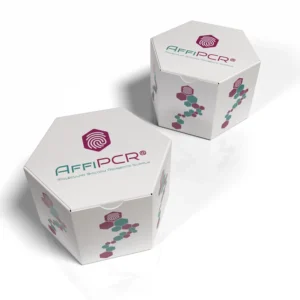
Optimizing Your LAMP Assays

Successful amplification depends on precise primer design and reaction setup. For guidelines, visit resources like DNA Molecular Tools from NIST or FDA Molecular Biology Techniques.

Conclusion

The LAmp Master Mix is revolutionizing molecular diagnostics and research by providing an efficient, isothermal alternative to traditional amplification methods. Its applications span clinical diagnostics, environmental monitoring, food safety, and genetic research, making it a versatile tool in modern science.

For further reading on advancements in LAMP and its implications, consult NIH Molecular Biology Resources, CDC’s Laboratory Innovations, and FDA Scientific Tools.

Feline Leukemia Virus (FeLV) Antigen Rapid Test Kit: A Comprehensive Overview

Feline Leukemia Virus (FeLV) is one of the most prevalent infectious diseases affecting cats globally. It is a retrovirus that targets a cat’s immune system, causing secondary infections, anemia, and various forms of cancer, including lymphoma. The FeLV Antigen Rapid Test Kit provides veterinarians with an indispensable tool to swiftly diagnose FeLV, allowing for timely intervention and effective management.

What is Feline Leukemia Virus (FeLV)?

FeLV is a retrovirus transmitted primarily through prolonged contact with infected cats, such as grooming, sharing food or water bowls, or via bites. Mother-to-kitten transmission during pregnancy or through nursing is also common (Cornell University Feline Health Center).

The virus significantly reduces a cat’s immune response, leaving them vulnerable to opportunistic infections and other diseases, such as stomatitis and renal disease (National Institute of Allergy and Infectious Diseases). With no cure currently available, early detection plays a pivotal role in managing the disease.

Key Features of the FeLV Antigen Rapid Test Kit

The FeLV Antigen Rapid Test Kit is tailored to detect the p27 antigen, a structural protein of the virus, in whole blood, plasma, or serum. It stands out for its:

  1. High Sensitivity and Specificity: The test reliably detects FeLV-positive cats with minimal false positives, reducing diagnostic uncertainty (U.S. Food and Drug Administration).
  2. Quick Turnaround Time: Results are available in 10–15 minutes, crucial in clinical settings requiring prompt decision-making (American Veterinary Medical Association).
  3. Ease of Use: Its user-friendly design allows for quick administration even in field settings, making it ideal for high-volume testing in shelters (USDA Animal and Plant Health Inspection Service).
  4. Compact Design: The portable nature of the kit ensures seamless use in both clinics and mobile veterinary units.

Why Early Detection of FeLV Matters

Early detection is the cornerstone of FeLV management. Diagnosing FeLV at its earliest stages allows for:

  1. Improved Disease Management: Early interventions, such as antiviral medications or supportive care, can significantly improve the cat’s quality of life (American Association of Feline Practitioners).
  2. Prevention of Transmission: Identifying FeLV-positive cats early helps in segregating them from healthy ones, reducing the spread in multi-cat households and shelters (Centers for Disease Control and Prevention).
  3. Enhanced Vaccination Protocols: Knowing a cat’s FeLV status helps veterinarians tailor vaccination plans, ensuring maximum effectiveness (National Institutes of Health).

How to Use the FeLV Antigen Rapid Test Kit

The process of using the kit involves three simple steps:

  1. Sample Collection: Draw a blood sample from the cat using sterile techniques. Whole blood, plasma, or serum can be used as test material (FDA Center for Veterinary Medicine).
  2. Sample Application: Apply the sample to the test cassette or strip following the kit’s instructions.
  3. Result Interpretation: Visual results appear as lines or markers within the designated test window. A positive test indicates the presence of FeLV p27 antigen (National Cancer Institute).

Interpreting Results

While the FeLV Antigen Rapid Test Kit is highly accurate, it is essential to understand the implications of test results:

  • Positive Results: A confirmatory test, such as polymerase chain reaction (PCR), is recommended to rule out false positives, especially in low-prevalence areas (PubMed Central).
  • Negative Results: A negative test does not necessarily mean the cat is FeLV-free. Cats exposed to FeLV may test negative during the early stages before viral replication becomes detectable (National Institute of General Medical Sciences).

Challenges in FeLV Diagnosis

Despite the reliability of rapid antigen testing, there are limitations:

  1. False Negatives: Early infection stages or antigen levels below the detection threshold can yield false negatives.
  2. Latent Infections: Cats with regressive FeLV infection may not have detectable antigens but can harbor the virus within their genome (National Library of Medicine).
  3. Environmental Factors: Stress or underlying illnesses may affect test results or the progression of FeLV (National Institute of Environmental Health Sciences).

Applications of the FeLV Antigen Rapid Test Kit

The FeLV Antigen Rapid Test Kit finds widespread application in:

  1. Routine Veterinary Screening: For newly adopted or stray cats to assess their health status (American Society for the Prevention of Cruelty to Animals).
  2. Pre-Surgical Testing: To ensure FeLV-positive cats are stable before undergoing procedures (Veterinary Information Network).
  3. Shelter Management: Rapid testing helps shelters segregate infected cats, preventing outbreaks (Association of Shelter Veterinarians).

Conclusion

The FeLV Antigen Rapid Test Kit is a cornerstone of feline health management, providing a swift, reliable, and cost-effective means of diagnosing FeLV. Early detection and intervention play a critical role in improving the prognosis for affected cats while mitigating the spread of this devastating virus.

For further reading on FeLV and related diagnostic tools, consult the following resources:

Would you like a more detailed focus on specific aspects, such as FeLV treatment options or PCR-based confirmatory testing?